
10Cric
10Cric positions itself explicitly as a cricket-first sportsbook for Indian audiences: IPL and international markets lead the product, with casino content in a supporting role.
Read the review →Last updated: 6 November 2026
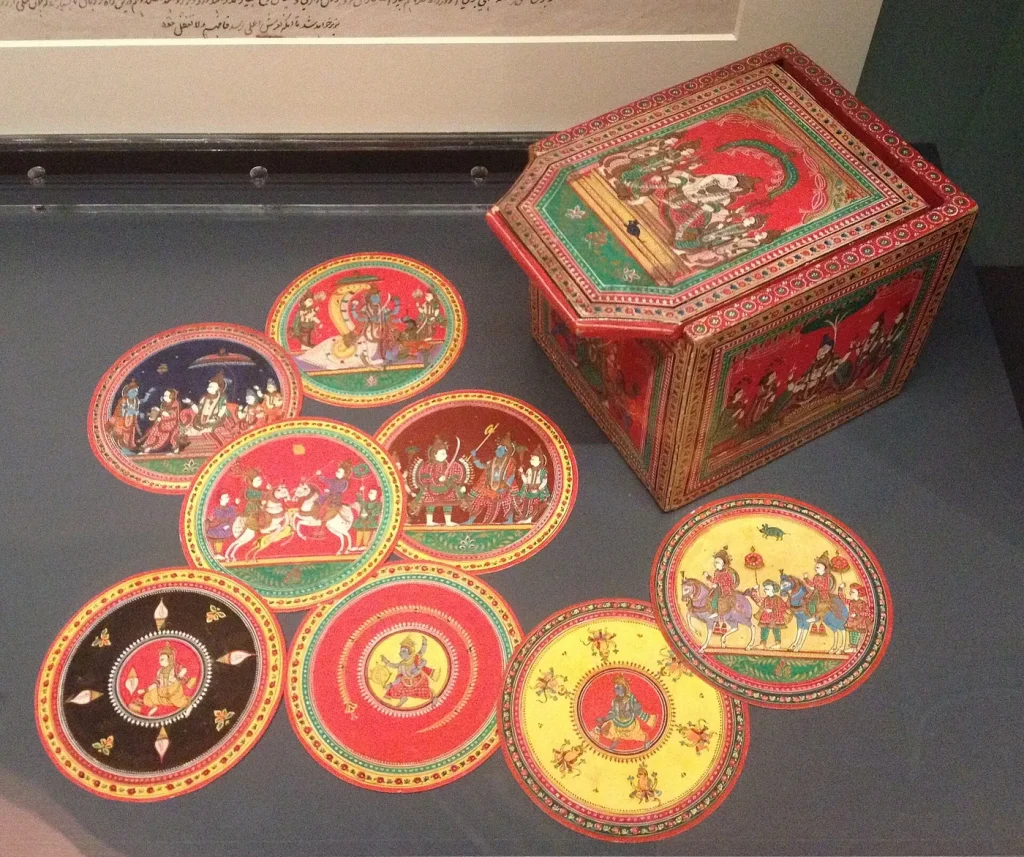
India's own three-card game — the centrepiece of festive family play and the most culturally loaded card game in the country.
Teen Patti ("three cards") descends from the British game three-card brag and has been a Diwali-season fixture for generations, especially across north and west India, where playing a few hands during the festival is tradition rather than vice.
Each player gets three cards; betting proceeds in rounds of "blind" and "seen" play until a showdown compares hands on a fixed ranking (trail/trio highest, then pure sequence, sequence, colour, pair, high card).

Strongest in north and west India (UP, Rajasthan, Gujarat, Maharashtra); the Diwali table is its natural habitat.
Indian courts have generally treated Teen Patti as a game of chance, so it enjoys no skill-game protection; played for money it falls under state gambling prohibitions, and online money play is federally banned since May 2026.
10Cric positions itself explicitly as a cricket-first sportsbook for Indian audiences: IPL and international markets lead the product, with casino content in a supporting role.
Read the review →
1win is a casino-and-sportsbook brand founded in 2016 that pairs a very broad game catalogue — slots, live tables and crash formats — with a full…
Read the review →
4rabet is a 2018 mobile-first brand built squarely for South Asian audiences: a lightweight app-centric product where crash games and cricket betting carry most of the…
Read the review →