
Bank Transfer (NEFT / IMPS / RTGS)
India's account-to-account rails: IMPS (instant, 24×7), NEFT (near-real-time batches) and RTGS (large-value gross settlement).
Method analysis →UPI, wallets, net banking, bank transfers, cards and crypto: how money actually moves in India, with fees, limits and compliance notes for each method. We never claim a method supports gambling payments unless that support is verified.
India's account-to-account rails: IMPS (instant, 24×7), NEFT (near-real-time batches) and RTGS (large-value gross settlement).
Method analysis →
Visa, Mastercard and RuPay cards: the classic online payment method, now secondary to UPI for small payments but still vital for credit-based…
Method analysis →
Crypto-assets (BTC, ETH, USDT and others) — in India: legal to hold and trade on compliant exchanges, taxed heavily, and not legal…
Method analysis →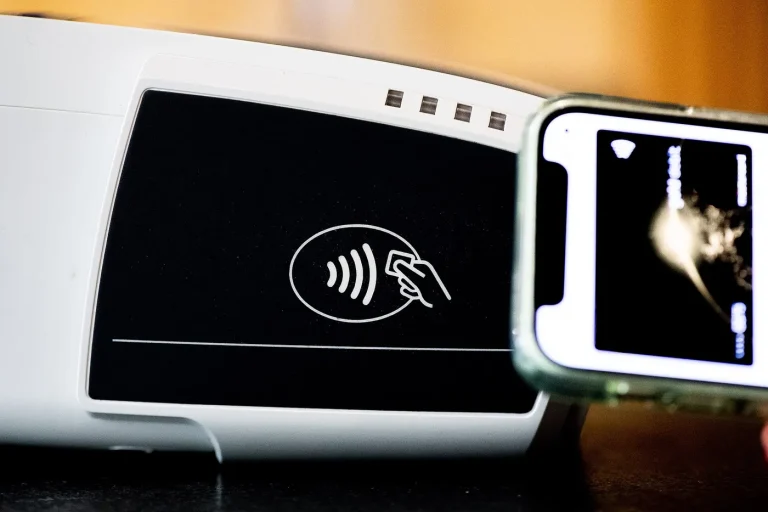
Google Pay (GPay) is a UPI-first payments app in India — no wallet, pure UPI rails with Google's interface on top.
Method analysis →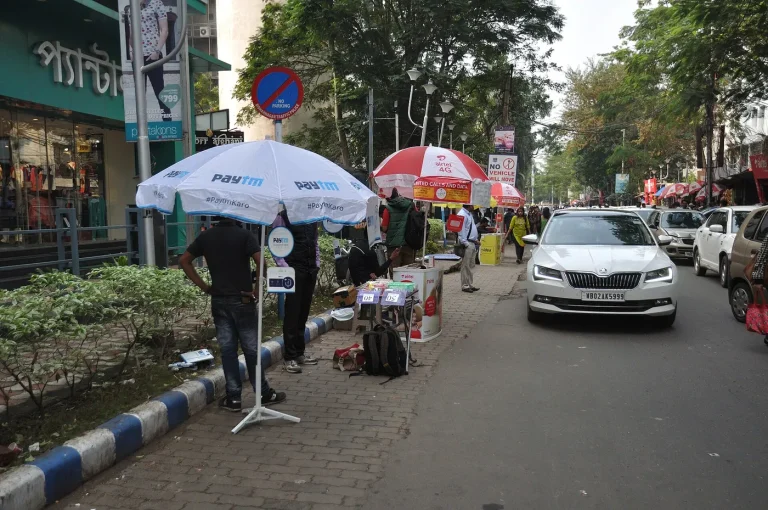
Paytm is one of India's largest payment apps: a UPI app, a licensed wallet (Paytm Payments Bank history aside), merchant QR network…
Method analysis →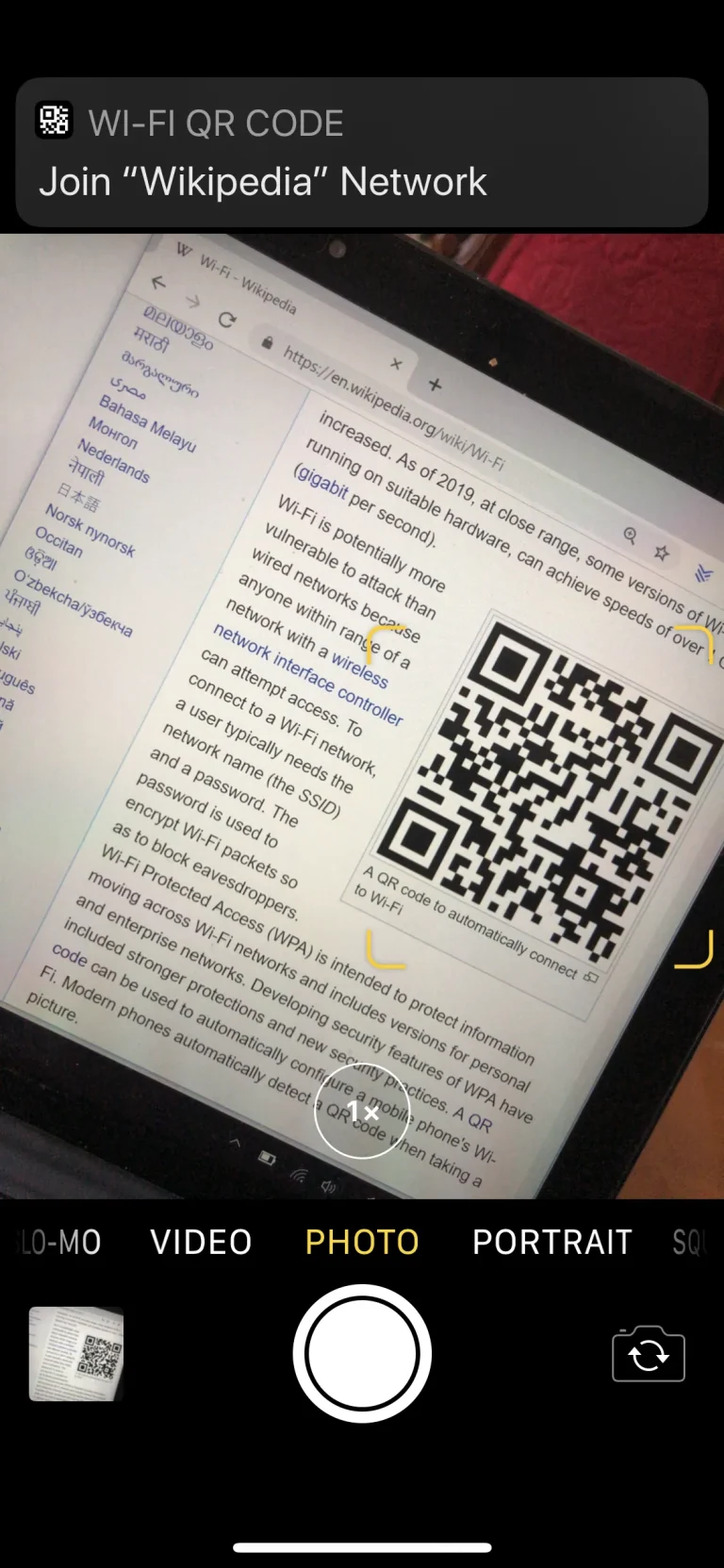
PhonePe is India's largest UPI app by market share, with a wallet product and one of the deepest merchant QR networks in…
Method analysis →
Direct login-based payments from a bank's own internet banking portal, long the standard for larger online payments in India.
Method analysis →
The Unified Payments Interface, operated by NPCI, is the backbone of Indian digital payments: an instant, bank-to-bank rail addressed by virtual payment…
Method analysis →